Conventional Loans Explained: Everything You Need to Know Before Applying
ADS
Buying a home is one of the biggest financial decisions you will make. For most Americans, this means taking out a mortgage, and one of the most common types is a conventional loan. This guide will help you understand conventional loans, how they work, who they are for, and how to get one in 2026.
What is a Conventional Loan?
A conventional loan is a mortgage loan not insured or guaranteed by the government. Instead, private lenders like banks, credit unions, and mortgage companies provide these loans. 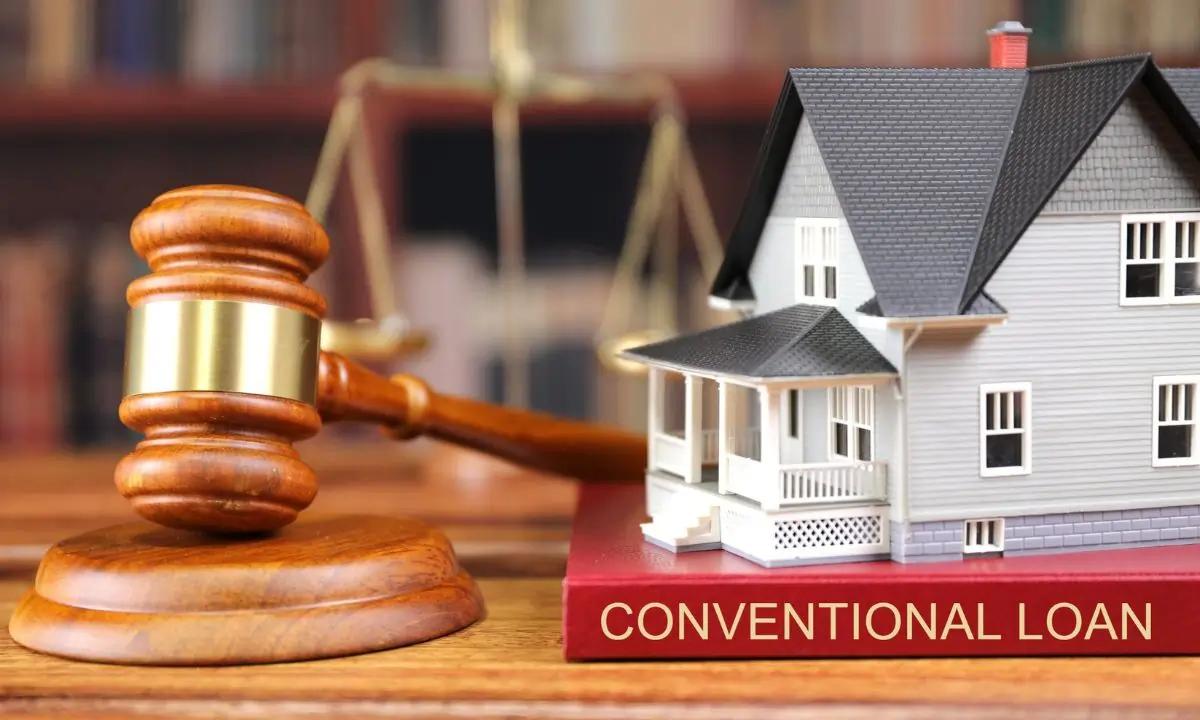
Conventional loans follow guidelines from Fannie Mae and Freddie Mac, helping ensure stability in home financing.
Key Points:
- Private mortgage loan
- Not backed by the government
- Can be used for buying homes, refinancing, or investment properties
Types of Conventional Loans
1. Conforming Loans
- Meet rules from Fannie Mae and Freddie Mac
-
2026 loan limits:
- Most areas: $832,750
- High-cost areas: Up to $1,249,125
- Suitable for most buyers
2. Non-Conforming Loans (Jumbo Loans)
- Do not meet size or underwriting rules
- Used for loans above conforming limits
- Require stronger credit and higher down payments
How Conventional Loans Work
- Choose a loan term (e.g., 30-year fixed or 15-year fixed)
- Make a down payment
- Lender pays the seller at closing
- Repay the loan monthly (principal + interest)
Monthly payments may also include:
- Property taxes
- Homeowners insurance
- Private mortgage insurance (PMI) if down payment is <20%
Down Payment and PMI
- Down Payment: Some loans allow 3%, but 20% is ideal to avoid PMI
-
Private Mortgage Insurance (PMI): Required if down payment is less than 20%
- Protects the lender, not you
- Can be removed once home equity reaches 20%
Credit Score and Qualification
- Minimum credit score: 620
- Best rates: 720+
-
Lenders also check:
- Income and employment history
- Debt-to-income ratio (DTI)
- Savings and assets
Loan Terms
- Fixed-rate mortgage: Same interest rate for the loan term (15 or 30 years)
- Adjustable-rate mortgage (ARM): Rate changes after an initial fixed period
Property options:
- Primary homes
- Second homes
- Investment properties
Conventional vs. Government-Backed Loans
|
Feature |
Conventional Loan |
FHA Loan |
VA Loan |
USDA Loan |
|---|---|---|---|---|
|
Down Payment |
3%-20% |
3.5% |
0% |
0% |
|
Credit Score |
620+ |
580+ |
VA eligible only |
Moderate income & rural areas |
|
Mortgage Insurance |
PMI if <20% |
MIP (long term) |
None |
USDA insurance required |
|
Best For |
Strong credit & savings |
Low credit or savings |
Veterans & military |
Rural low/moderate income |
Advantages of Conventional Loans
- Lower long-term costs if credit is strong
- No government insurance fees
- Flexible property options
Disadvantages of Conventional Loans
- Higher credit score requirements
- Larger down payment may be needed
- PMI required if down payment <20%
- Stricter debt and income rules
Steps to Apply for a Conventional Loan
- Check your credit score
- Save for a down payment
- Get pre-approved
- Choose a home and make an offer
- Loan processing and home appraisal
- Closing – sign paperwork and pay closing costs
- Repay monthly
Tips for Borrowers
- Improve your credit before applying
- Save for a bigger down payment to reduce monthly costs
- Compare rates from multiple lenders
- Speak with a mortgage professional to choose the best loan
Conclusion
Conventional loans remain one of the most popular ways to buy a home in 2026. They offer flexibility, competitive rates, and options for buyers with good credit and savings. Understanding the process, requirements, and costs can help you make a smart decision and achieve homeownership.