Start Generating Money with Digital Accounting & Tax Services in 2026 | Complete Guide
ADS
In 2026, digital services are booming, and businesses of all sizes need help managing their finances and taxes online. This makes digital accounting and tax services one of the most profitable and in-demand opportunities today.
If you love numbers, enjoy organizing financial information, or want to help people solve money problems, this field can become a rewarding career or side business.
This guide will help you understand how to start, grow, and profit from digital accounting & tax services. 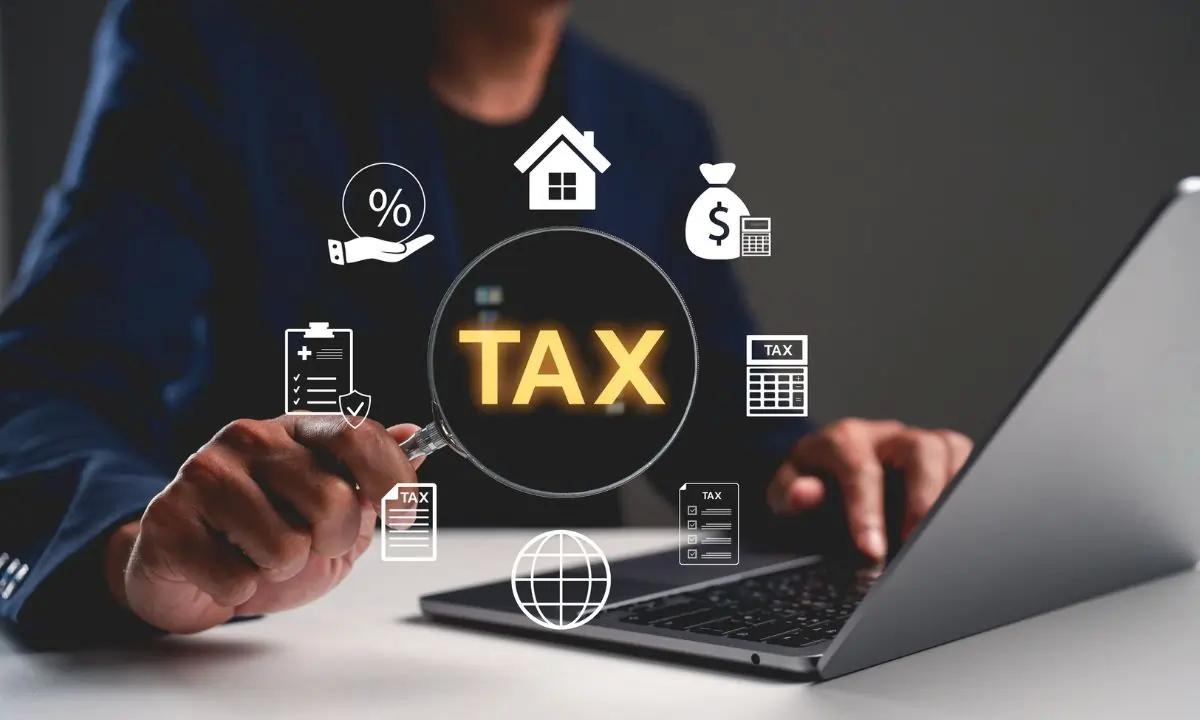
Why Digital Accounting & Tax Services Are in High Demand
- More Businesses Are Online: Many companies now sell products and services online. They prefer remote experts for bookkeeping and tax services.
- Tax Laws Are Changing Constantly: U.S. tax regulations update every year. Professionals who understand the rules are highly valuable.
- Gig Economy Growth: Freelancers and small business owners need help tracking expenses and filing taxes correctly.
Services You Can Offer
- Digital Bookkeeping: Record income, expenses, reconcile bank statements, and create financial reports using software like QuickBooks Online, Xero, or FreshBooks.
- Tax Preparation: Help individuals and businesses file taxes, identify deductions, and stay compliant with IRS rules.
- Payroll Services: Manage employee payroll, taxes, and benefits.
- Financial Reporting: Create reports such as Profit & Loss statements, balance sheets, and cash flow statements.
- Budgeting & Financial Planning: Help clients plan their expenses and manage cash flow.
- IRS Representation: Assist clients with IRS audits and notices (requires advanced credentials).
Who Can Become a Digital Accountant or Tax Professional
- Beginner: Start with basic bookkeeping skills and software knowledge.
- Intermediate: Get certified (e.g., Certified Bookkeeper) to offer more advanced services.
- Advanced: Obtain CPA or Enrolled Agent credentials to provide full tax services and IRS representation.
Essential Skills
- Understanding accounting fundamentals (debits, credits, assets, liabilities, revenue, expenses)
- Knowledge of U.S. tax rules and compliance
- Proficiency with accounting and tax software
- Strong communication skills to explain financial information
- Time management, especially during tax season
Step-by-Step Guide to Starting Your Business
- Learn the Basics: Take courses in bookkeeping, tax preparation, and accounting software (Coursera, Udemy, LinkedIn Learning).
- Get the Right Tools: Invest in cloud accounting software and tax preparation tools.
- Choose a Business Structure: Register as a Sole Proprietorship, LLC, or S-Corp.
- Set Your Pricing: Charge hourly, monthly retainer, or per-service rates.
- Build a Website: Showcase your services, testimonials, and contact information.
- Market Your Services: Use social media, freelance platforms, and networking to find clients.
- Deliver Excellent Service: Meet deadlines, communicate clearly, and protect client data.
- Ask for Reviews & Referrals: Encourage happy clients to leave online reviews.
Earning Potential
|
Service |
Estimated Annual Income |
|---|---|
|
Part-time Bookkeeper |
$10,000–$30,000 |
|
Full-time Bookkeeper |
$35,000–$60,000 |
|
Tax Preparer |
$30,000–$80,000+ |
|
CPA (Experienced) |
$70,000–$150,000+ |
|
Enrolled Agent |
$50,000–$120,000+ |
Income grows with experience, reputation, and client base.
Legal & Compliance Considerations
- Register your business and get an EIN
- Obtain Professional Liability (E&O) Insurance
- Apply for a PTIN if preparing federal tax returns (irs.gov)
- Stay updated with IRS rules and tax laws
Recommended Tools & Software (2026)
- Accounting: QuickBooks Online, Xero, FreshBooks, Wave
- Tax Software: Drake Tax, Lacerte, ProSeries, TaxAct
- Payroll: Gusto, ADP, Paychex
- Communication & Organization: Zoom, Slack, Google Workspace
Common Mistakes to Avoid
- Undervaluing your services
- Skipping contracts or agreements
- Ignoring ongoing learning
- Not backing up client data
Scaling Your Business
- Hire assistants or junior accountants
- Offer online courses or workshops
- Create digital products like templates or guides
- Provide business advisory services
Useful Resources
- IRS Tax Information
- Small Business Tax Workshops: IRS online
- Professional Associations: AIPB, AICPA
- Online Learning Platforms: Coursera, Udemy, LinkedIn Learning
Conclusion
Digital accounting and tax services in 2026 provide a great opportunity to make money while helping businesses and individuals succeed. Start simple, focus on bookkeeping first, and gradually expand your services. With the right skills, tools, and dedication, you can build a thriving online accounting business.