Handmade Crafts Business 2026: Complete Guide to Start & Earn from Home
ADS
Handmade crafts have moved beyond being just a hobby. In the United States in 2026, they are part of a growing creative economy. More people are turning their creativity into income by selling handcrafted products to buyers who value uniqueness, sustainability, and personal stories. This article explains why the handmade crafts business is exciting and profitable today, how the market is growing, the steps to start your own business, and tips to succeed in 2026.
The Rise of Handmade Crafts
Handmade crafts include items made by hand or with minimal tools — such as jewelry, home décor, pottery, textiles, candles, art prints, and more. These items are special because they are not mass‑produced in factories but made by individual makers. This uniqueness gives them value for many buyers. 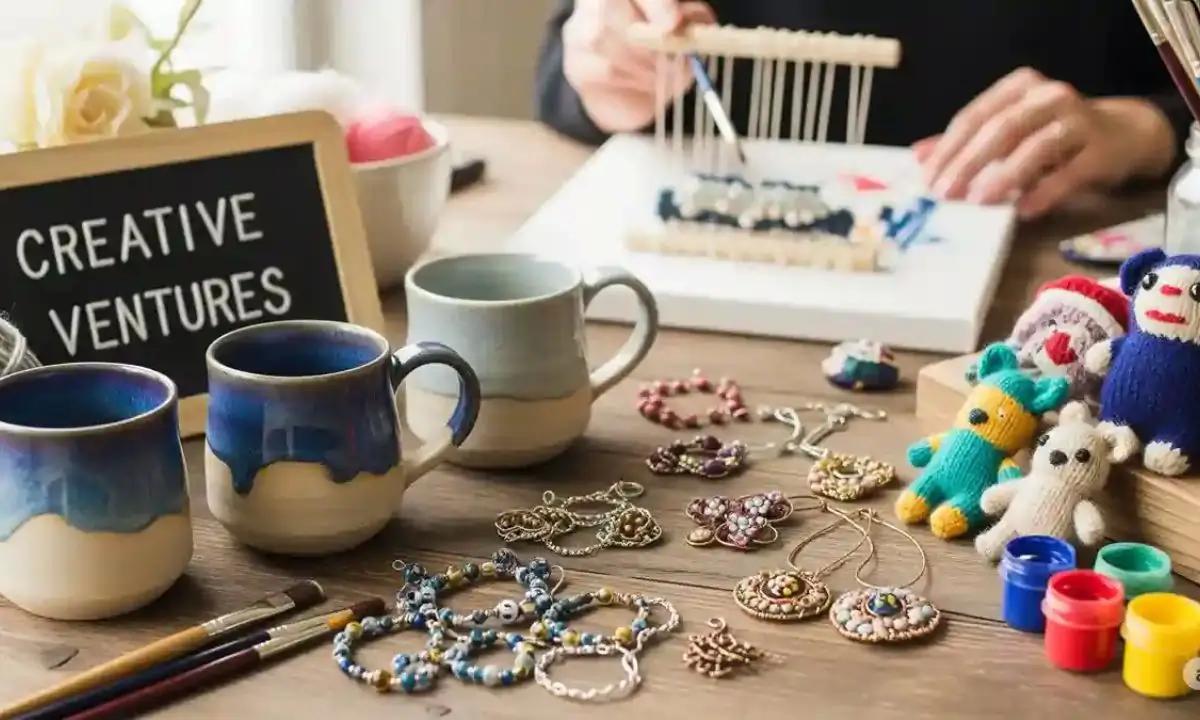
In the United States, the handicrafts market is already big and growing fast. In 2025, the U.S. handicrafts market was valued at around USD 345 billion, and it is expected to keep growing through the decade. The market is projected to reach around USD 676 billion by 2034 with steady demand and consumer interest in handmade goods.
This means the business opportunity for artisans — people who make handmade products — is expanding. Whether selling online or at local events, many craftmakers earn steady income and even grow large businesses.
Why Handmade Crafts Are in High Demand
Customers today want products that are unique, meaningful, and ethically made. Several trends are driving this demand:
Personalization and Uniqueness
Buyers want items that tell a story or reflect their personality — something they cannot find in mass‑produced goods. Handcrafted items feel personal, often with small imperfections that make them special.
Sustainability and Ethics
Many consumers care about the environment and ethical production. Handmade goods often use natural or recycled materials and support small creators. This makes them attractive to eco‑conscious shoppers.
Support for Small Business
People increasingly want to support local businesses and creators. Many buyers feel good knowing that their purchase helps sustain an individual maker. This trend is especially strong with younger generations like millennials and Gen Z.
Online Marketplaces Open Doors
Platforms like Etsy have made it easy for makers to reach customers worldwide without needing a physical store. Etsy remains one of the most popular marketplaces for handmade items in the U.S. and globally.
Types of Handmade Crafts
Handmade crafts cover a wide range of products. Some popular categories include:
Jewelry and Accessories
Rings, necklaces, bracelets, handmade bags, scarves, and accessories tailored to personal style.
Home Décor
Wood carvings, candles, pottery, art prints, wall hangings, and decorative textiles.
Textile and Fiber Crafts
Knitted or crocheted items, quilts, embroidered goods, and hand‑woven fabrics.
Natural & Eco Products
Soaps, organic skincare, beeswax candles, and eco‑friendly reusable items.
Art and Prints
Original paintings, illustrations, digital art prints, and handcrafted stationery.
Each of these categories has its own audience and pricing strategy. For example, one‑of‑a‑kind sculptures may sell at a higher price than smaller everyday items such as keychains.
Choosing the Right Selling Channels
When starting a handmade craft business, you need to decide where you will sell your products. Here are the most common and effective channels today:
Online Marketplaces
Etsy
Etsy is one of the most popular places for handmade sellers. It focuses mainly on handmade or vintage products. Sellers create an online shop, list items, and reach millions of buyers worldwide.
Other Platforms
Amazon Handmade — supports artisans (rules may differ and sometimes require verification)
eBay and Social Marketplaces — can also be used for handmade goods
Shopify or Personal Website — gives full control but requires more marketing
Online platforms help you reach customers beyond your local area and open up the possibility of nationwide sales.
Local Markets and Craft Fairs
Sellng in person through craft fairs, farmers markets, holiday bazaars, and art festivals can be profitable. These events often attract buyers who want to see products up close, talk to the maker, and get custom items.
Annual craft fairs — like Handmade Arcade in Pittsburgh — bring together makers and buyers. Such events create community and marketing opportunities for artisans.
Retail Partnerships
You can approach local boutiques, gift shops, and galleries to sell your handmade items on consignment or wholesale. This expands your reach to customers who prefer shopping in stores.
Social Media Selling
Platforms like Instagram, Facebook, and Pinterest let you showcase your work and attract customers. Many makers use social media to tell stories about their products and connect with their audience.
It’s common for successful sellers to use more than one channel — both online and in person.
Starting Your Handmade Business: Step by Step
If you want to turn your craft into a business in 2026, here’s a clear roadmap to follow:
Choose Your Craft
Decide the product or craft you want to sell. Focus on something you enjoy and can produce consistently — whether jewelry, pottery, art prints, or other handmade items.
Research the Market
Study your potential customers:
Who might buy your products?
What price are they willing to pay?
Who are your competitors?
Market research helps you understand trends and price your products correctly.
Create a Business Plan
Your business plan doesn’t need to be complicated. It should cover:
What products you will sell
How you will sell them (online, fairs, stores)
Your target customers
Estimated costs and prices
Ideas for marketing
A simple plan helps you stay focused and organized.
Register Your Business
In the U.S., you should register your craft business with the correct local and state authorities if you plan to sell regularly. Legal requirements vary by state, but formal registration can help with:
Opening a business bank account
Filing taxes properly
Getting vendor licenses for fairs and markets
Many creators start as a sole proprietorship but can change to an LLC or other structure as they grow.
Build Inventory
Start making products so you have enough stock for selling. It’s important to balance between making too much and too little.
Set Up a Brand and Shop
Create a brand name, logo, and online presence. If selling online, set up your marketplace shop (like Etsy or Shopify), write clear product descriptions, and upload good photos.
High-quality photos and honest descriptions help customers feel confident in buying your crafts.
Promote Your Products
Use social media, email lists, and local networks to promote your craft business. Posting regularly about your products and making personal connections with buyers helps increase sales.
Marketing doesn’t need to be expensive — consistency and storytelling matter most.
Legal and Compliance Tips
While handmade crafts are creative, running a business means you must pay attention to certain legal areas:
Business Licensing and Taxes
Depending on your state and city, you might need a tiny business license to sell at craft fairs or online. Many sellers also collect sales tax when selling to customers. Regulations vary, so it’s wise to check your local government’s small business website.
Honest Advertising
Laws like the Indian Arts and Crafts Act make it illegal to mislabel crafts as Native American produced unless they truly are. Misrepresentation can lead to fines or legal trouble.
Always describe your products honestly and respectfully.
Challenges Craft Businesses Face
Handmade crafts are rewarding, but there can be challenges:
Market Competition
Many sellers are now creating and selling crafts. Standing out requires creativity, quality, and good marketing.
Marketing and Customer Acquisition
Craft makers often say that finding customers and marketing their products can be the hardest part of the business. Building a loyal following takes time and patience.
Event Costs and Planning
Selling at craft fairs means paying booth fees, traveling, and investing time in setup. Not all events guarantee sales, so research carefully before committing.
Online Policy Changes
Platforms sometimes change rules. For example, Etsy updated its policies on what counts as handmade, especially for items like 3D‑printed goods, causing concern among some sellers.
Staying informed and adaptable helps you respond to such changes.
Success Stories and Inspiration
Many makers have turned their craft into a full‑time business:
Some artisans have built brands on Etsy, Etsy husbands and wives working together to grow operations.
Organizations like Nest Inc. help women artisans build sustainable businesses by connecting them with training and global markets.
Community events and fairs showcase hundreds of makers each year, creating vibrant markets filled with buyers.
These examples show that with passion, dedication, and smart planning, handmade craft businesses can grow and support families.
Tips for Success in 2026
Here are practical tips for makers who want to succeed in the handmade craft business:
Build an Online Presence
Even if you sell in person, having a website or social profile helps you connect with buyers and grow repeat sales.
Use Great Photography
Good photos are essential — clear backgrounds, close‑ups of details, and lifestyle shots help customers see the value in your product.
Tell Your Story
Buyers love to know the person behind the product. Share your craft journey, inspiration, and meaning behind each piece.
Engage with Customers
Respond quickly to messages, ask for reviews, and offer customization if possible. Happy customers often become repeat buyers.
Offer Great Packaging
Handmade products that come in beautiful, thoughtful packaging create a memorable experience and encourage word‑of‑mouth promotion.
The Future of Handmade Crafts
The handmade craft business is not a passing trend; in fact, its growth is projected for many years to come. As consumers place higher value on sustainable, meaningful products, handmade artisans are uniquely positioned to benefit. Online marketplaces will continue to expand, and new technologies like digital design and creative tools help makers work faster and smarter.
Whether you are just starting or have already made your first sales, the world of handmade crafts offers endless possibilities and opportunities for creativity, business growth, and personal satisfaction.
Conclusion
The handmade crafts business in the United States in 2026 is vibrant, growing, and full of potential. With a large and steadily increasing market, supportive online platforms, and a strong consumer desire for meaningful products, artisans have more opportunities than ever to succeed. By planning carefully, selling on the right channels, and engaging with customers, you can turn your creative passion into a thriving business that brings joy to both you and your buyers.