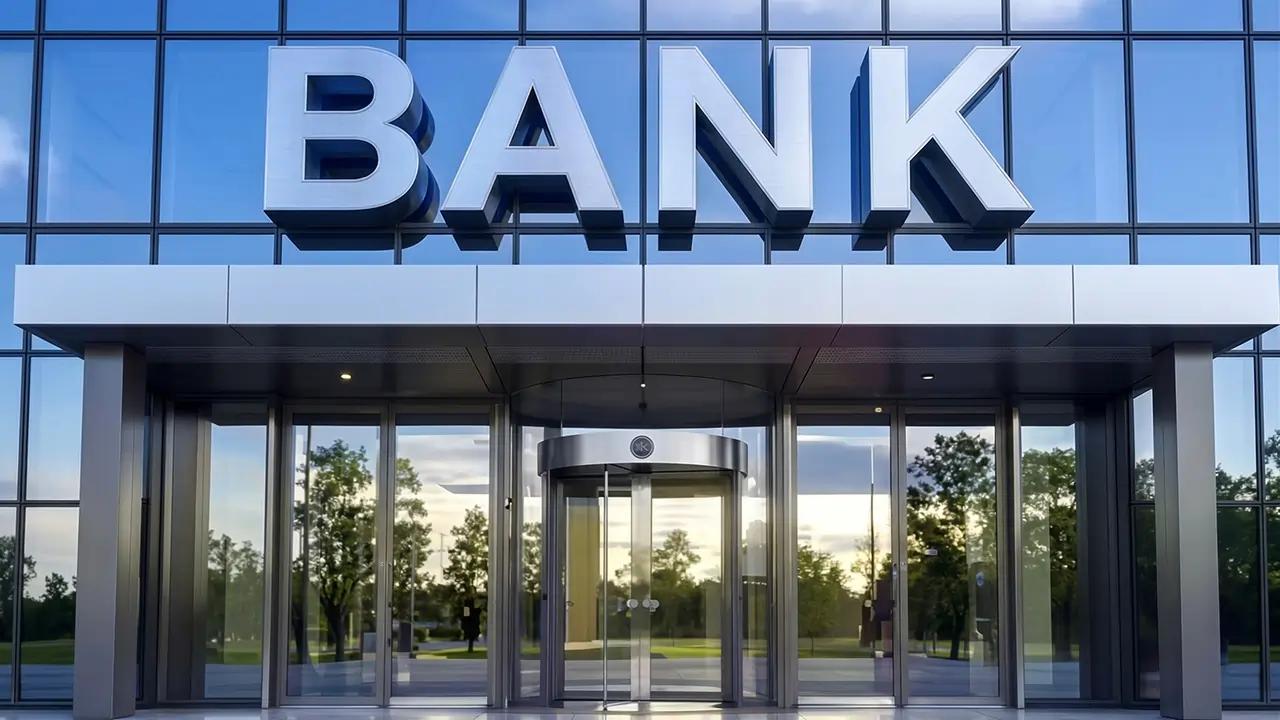
Bank of America (USA) 2026: Everything You Need to Know Today
ADS
Bank of America (often called BofA) is one of the largest and most important banks in the United States and the world. It serves millions of customers with banking, investing, loans, credit, and business services. BofA plays a major role in the U.S. economy, connecting people, communities, and businesses to financial tools and opportunities. In 2026, Bank of America continues to evolve in a world that is more digital, competitive, and regulated than ever before.
Brief History: From Local Bank to Global Powerhouse
Bank of America did not start as one of the massive financial giants we know today. Its roots trace back more than a century.  2026 Everything You Need to Know Today.webp)
- Early Beginnings – The earliest predecessor banks began in the early 1900s in California. These banks focused on serving local communities and immigrants who needed basic financial services.
- Becoming Bank of America – Over time, the business grew through mergers and innovation. In 1930, Bank of Italy changed its name to Bank of America, reflecting a wider national presence.
- Late 20th Century Growth – Through the 1980s and 1990s, BofA expanded beyond retail banking. It added investment services, corporate financing, and wealth management, becoming a major financial institution across the U.S.
- 21st Century Expansion – The bank survived the financial crisis of 2008 and continued expanding its services across the globe. Its focus began to include digital banking, modern financial centers, and technology investment.
Today, Bank of America operates across the United States and in more than 35 countries around the world.
What Bank of America Does Today
In 2026, Bank of America offers a full range of financial services. These services can be grouped into four main areas:
A. Consumer and Small Business Banking
This is what most everyday people think of when they hear “bank”:
- Checking and Savings Accounts — For daily money management, saving goals, and personal finance.
- Debit and Credit Cards — BofA issues debit cards and many credit cards with rewards, cashback, and special features.
- Loans and Mortgages — BofA provides loans for homes, autos, education, and personal needs.
- Small Business Support — It is the #1 small business lender in the U.S., helping about four million small businesses with credit, lines of credit, and financial tools.
B. Wealth and Investment Services
Bank of America helps customers build wealth by offering:
- Investment Advice
- Retirement Planning
- Asset Management
- Trust and Estate Services
Through Bank of America’s investment division and its wealth advisors, clients can plan for the future, grow their savings, and protect their assets.
C. Corporate & Investment Banking
BofA also works with big companies, governments, and institutions to:
- Help raise money
- Trade stocks, bonds, currencies, and commodities
- Help companies expand or merge
- Provide risk management tools
This part of the business makes Bank of America a global player in finance.
D. Digital Banking and Technology
Today, most customer interactions are digital:
- Online and mobile banking is used by tens of millions of people.
- Nearly 95% of customer interactions happen through digital channels, meaning phones or computers.
Even so, physical bank centers remain important for complex financial conversations and customer support.
The Numbers (2026 Snapshot)
As of January 2026 (the most recent official data), here are some key facts about Bank of America:
- Employees: ~213,200 people worldwide.
- Customers: ~70 million consumer clients globally.
- Financial Centers: ~3,600 centers and 15,000 ATMs across the U.S.
- Digital Users: ~59 million verified digital banking users.
- Wealth Managed: Roughly $4.8 trillion in client assets.
- Reach: Serving people in the U.S. and more than 35 countries.
These numbers show the bank’s scale and influence as both a domestic and international financial institution.
Physical Expansion and Community Presence
While digital banking is growing fast, Bank of America continues to invest in real‑life support:
Financial Centers Growth
Between the years 2024 and 2026:
- BofA planned to open more than 165 new financial centers across the U.S. by the end of 2026.
- These centers are being built even as digital banking grows because many clients still want face‑to‑face financial advice.
- Around 30% of centers are located in low‑ and moderate‑income communities, meaning BofA is working to increase financial access where it’s needed most.
Art and Local Partnerships
In many centers, local artwork is on display, particularly from artists who face challenges such as disabilities or housing insecurity. This helps connect banking spaces to their local communities.
Technology and Innovation
Bank of America continues to push forward in technology:
- It has robust mobile banking apps and online platforms.
- Digital services now handle the majority of everyday transactions.
- App features include mobile deposits, bill payment, budgeting tools, alerts, investment access, and real‑time security monitoring.
- BofA invests in artificial intelligence and cyber security to protect customer accounts and improve service.
Digital transformation has helped make banking faster, more secure, and more convenient — especially for younger customers and those who prefer self‑service options.
Banking Challenges & Public Issues
Even a big bank faces challenges.
Branch Closures
Some physical bank branches have closed due to reduced foot traffic, especially as customers move online. This trend has continued into 2025 and 2026.
Legal and Regulatory Matters
Banks often deal with lawsuits, compliance issues, and government regulations. For example, in the past few years, BofA had to settle lawsuits tied to banking regulations and insurance payments.
Political and Public Relations
Banking decisions sometimes intersect with politics. In 2026, Bank of America’s CEO was notably not invited to a White House reception at the World Economic Forum, possibly due to disagreements relating to banking policies.
These matters show that banks like BofA must navigate both economic and public landscapes carefully.
Competition and the Banking Industry
Bank of America is part of the group known as the “big four” U.S. banks, which also includes:
- JPMorgan Chase
- Citigroup
- Wells Fargo
These banks compete in retail banking, corporate finance, loans, credit services, and technology. BofA usually ranks second in the U.S. by total assets, behind JPMorgan Chase.
Competition pushes banks to innovate, improve customer service, and offer better products.
How Bank of America Helps Small Business & Economy
Bank of America supports millions of small businesses — helping entrepreneurs get loans, manage cash flow, and grow operations. It is recognized as the top small business lender in the U.S.
During times of economic uncertainty, BofA’s lending and support services help keep local economies strong by providing:
- Business lines of credit
- Business checking and savings
- Payments processing
- Merchant services
The bank also educates clients with financial tools and webinars to improve financial literacy.
Community and Social Impact
BofA invests in communities in several ways:
A. Financial Education
Programs such as “Better Money Habits” help people learn how to save, budget, and manage credit wisely.
B. Local Investments
The bank often invests in:
- Affordable housing
- Community development
- Job training programs
- Small business growth
These contributions promote economic opportunity beyond simple banking transactions.
C. Partnerships
Bank of America works with national and local organizations to support sports events, education, and social programs — including partnerships related to major international events and community causes.
The Future: What’s Next for Bank of America
In 2026 and beyond, BofA is focusing on several key areas:
Technology & Digital Banking
The bank continues to invest in artificial intelligence, mobile banking, cybersecurity, and digital financial tools.
Financial Centers Expansion
Even as digital banking grows, physical centers will remain part of its strategy for complex customer service.
Community Investment
Ongoing work to strengthen local communities and expand financial access for underserved individuals.
Sustainable Growth
Bank of America is expected to keep balancing profitability with responsible banking, risk management, and compliance with global regulations.
Simple Takeaways for Everyday People
If you are thinking about using Bank of America, here are key points:
Accessibility
BofA combines digital banking convenience with physical centers for in‑person support.
Wide Services
Whether you want a savings account, mortgage, credit card, investment help, or business banking, BofA has options.
Global Reach
The bank serves clients not just in the U.S. but in many countries around the world.
Support for Small Business
Small business owners benefit from specialized lending products and financial advice.
Innovation Meets Tradition
BofA leverages modern technology while maintaining services that traditional customers value.
Conclusion
In 2026, Bank of America remains one of the most significant financial institutions in the United States and the world. Its combination of consumer services, business support, digital innovation, and community investment makes it both powerful and deeply connected to everyday life.
While it faces challenges like branch closures, competition, technology shifts, and legal risks, Bank of America adapts and continues to serve millions of people and businesses. Whether you are a student, working adult, business owner, or investor, Bank of America offers tools and services that touch many aspects of modern financial life.