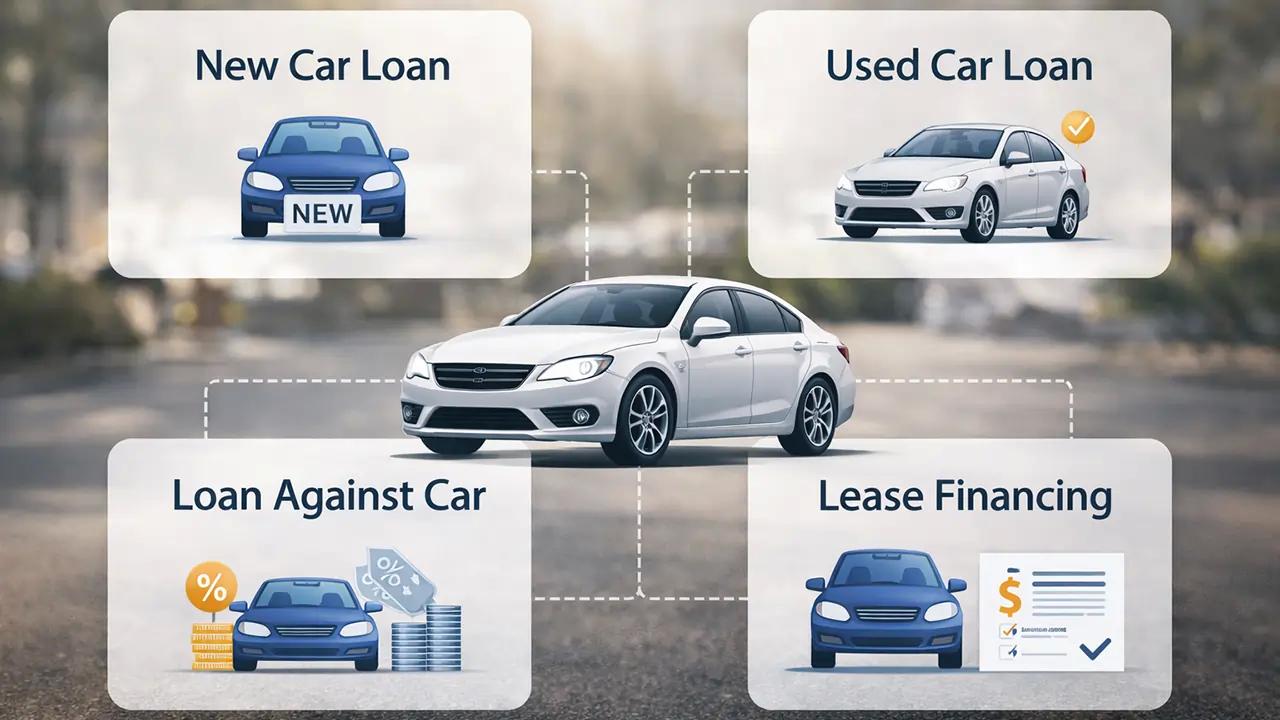
Loan Against Car 2026: Low Interest, Fast Approval & Easy EMI
ADS
Looking for a fast and easy way to get cash in 2026? A loan against your car might be the solution. This type of loan allows you to use your car as collateral to borrow money, helping you handle emergencies, pay bills, or fund personal needs.
In this guide, we’ll explain how it works, types of loans, benefits, risks, and tips to protect yourself.
What Is a Loan Against Car? 
A loan against car is when you borrow money using your vehicle as security. The lender holds your car title until you repay the loan. If you fail to repay, the lender can repossess your car.
There are two main types:
- Car Title Loan – Short-term loans with high interest where the lender holds your car title.
- Auto Equity Loan (Car Secured Loan) – Borrow against the value of your car, usually with lower interest and longer repayment terms.
Why People Take Loans Against Their Cars
People choose car loans for several reasons:
- Fast Cash – Approval can happen in one day.
- Low Credit Requirements – Some lenders don’t check your credit.
- Emergencies – Cover medical bills, home repairs, or other urgent expenses.
- Debt Consolidation – Pay off higher-interest debts.
Note: Fast access to cash comes with high interest and risks, so it’s important to understand the loan fully.
How Car Title Loans Work
Car title loans are short-term, high-interest loans. Here’s the process:
- Provide your car title, ID, and proof of ownership.
- Lender evaluates the car value.
- Loan is offered, usually 25–50% of the car’s worth.
- You repay the loan in 15–30 days, sometimes with installment options.
- Your car remains with you, but the title is held by the lender.
Example: A car worth $5,000 could qualify for a $1,000 title loan. If you don’t repay on time, the lender can take your car.
Types of Car-Backed Loans
1. Car Title Loans
- No credit check required
- Fast approval
- Very high interest (APR can be 100% or more)
2. Auto Equity Loans
- Borrow based on your car’s equity
- Lower interest rates than title loans
- Longer repayment options
3. Secured Personal Loans
- Use car as collateral for a personal loan
- Flexible repayment terms
- Risk of repossession if unpaid
Interest Rates and Costs in 2026
- Title Loans: Extremely high interest and short repayment periods.
- Auto Equity Loans: Moderate interest, longer repayment options.
- Personal Loans Secured by Car: Lower interest than title loans, but still higher than unsecured loans.
In 2026, borrowing costs remain significant due to rising vehicle values and higher average monthly payments.
Benefits of a Loan Against Your Car
- Easier Approval: Works for low-credit borrowers.
- Quick Access: Funds in a day or two.
- Flexible Use: Use money for bills, emergencies, or debt consolidation.
Risks of Car Loans
- Risk of Losing Your Car: Defaulting can lead to repossession.
- High Interest Costs: Especially with title loans.
- Short Repayment Terms: Can be difficult to repay quickly.
- Impact on Credit: Missed payments can hurt your credit score.
Always weigh these risks before deciding.
Alternatives to Car Title Loans
- Traditional Personal Loans: Lower interest, better terms.
- Credit Union Loans: Often better rates for members.
- Refinancing Your Car Loan: Reduce interest and monthly payments.
- Sell Your Car: Get cash without borrowing.
- Borrow from Family or Friends: Avoid high interest and fees.
Tips Before Taking a Car Loan
- Shop Around: Compare lenders and interest rates.
- Check Car Value: Know your vehicle’s market worth.
- Read Terms Carefully: Understand fees, deadlines, and penalties.
- Avoid Rollovers: Rolling over loans increases debt.
- Calculate Total Cost: Don’t just focus on monthly payments.
Final Thoughts
Taking a loan against your car in 2026 can provide quick cash, but it comes with risks. Always evaluate your financial situation, explore safer alternatives, and read the loan agreement carefully.
A loan against your car can be a helpful financial tool — when used responsibly.